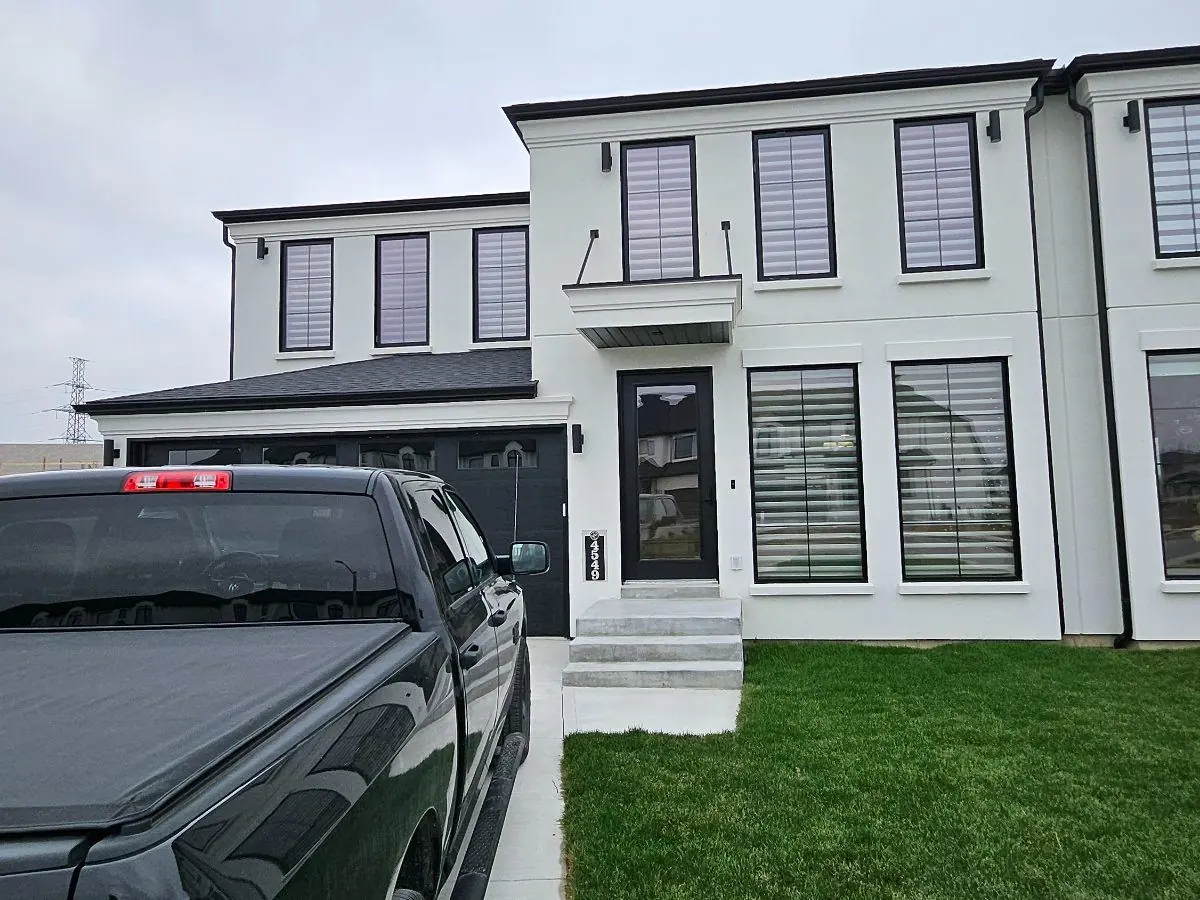
Top-Down/Bottom-Up Shades: Privacy With Daylight
Most shades only open from the bottom. A top-down/bottom-up shade also opens from the top, so you can let the sky in while the street stays out.
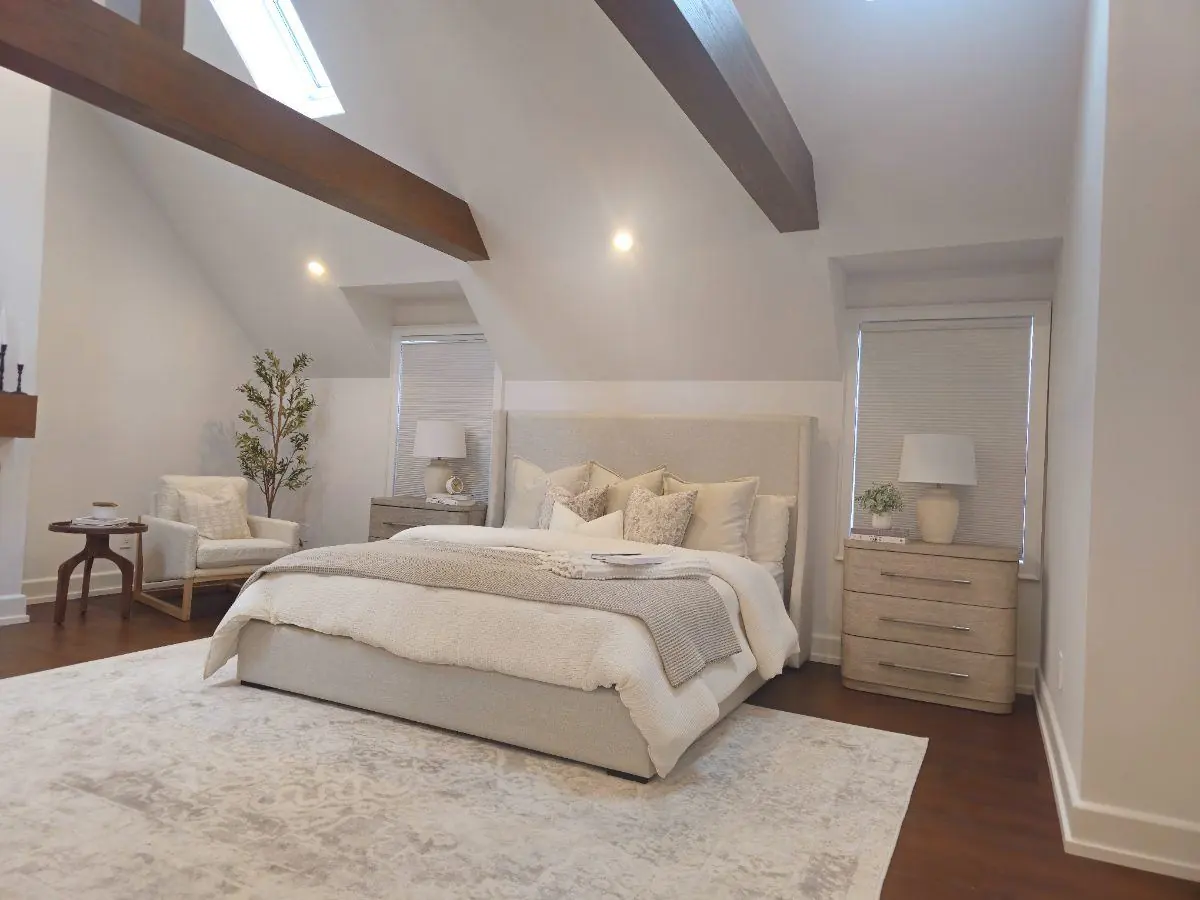
In short
- Two rails let you lower the shade from the top, raise it from the bottom, or both.
- Ideal for street-facing rooms, bedrooms and bathrooms.
- Honeycomb shades are the classic top-down/bottom-up product.
- Cordless operation keeps them safe and tidy.
On this page
How they work
A top-down/bottom-up shade has a middle rail as well as a bottom rail. Pull the bottom rail up and it opens like any shade. Pull the middle rail down and the top of the window opens instead, while the lower part stays covered. You can set the covered band anywhere on the window.
Where they shine
- Street-facing living rooms: daylight over the top, privacy at eye level.
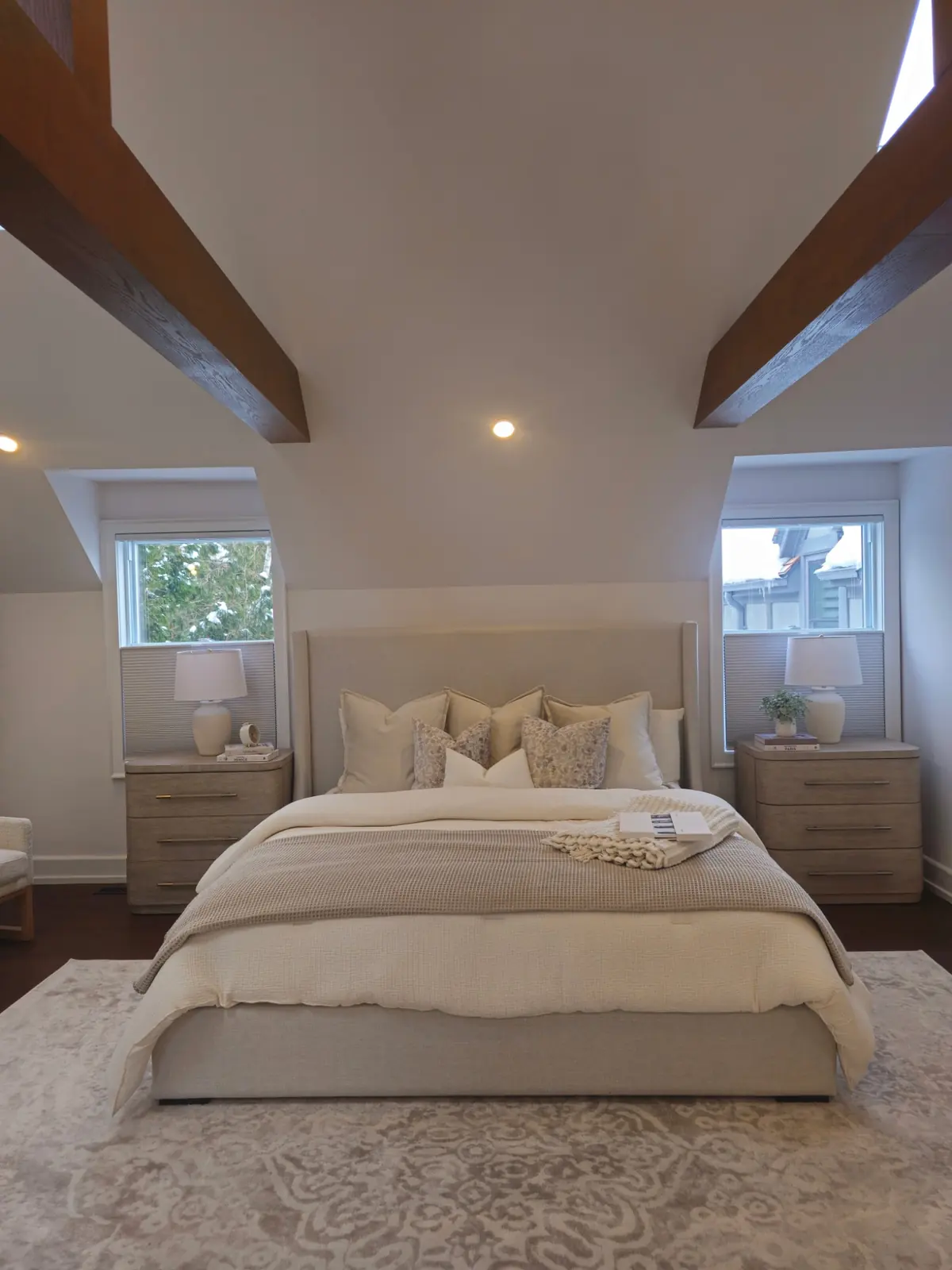
- Bedrooms: morning light from above without dressing in view of the neighbours.
- Bathrooms: fresh daylight with the lower glass covered. See bathroom window blinds.
- Home offices: daylight on the desk with less glare from the bottom of the window. See best blinds for a home office.
- Bays and side-by-side houses: where neighbours are close, top-down shades keep rooms bright.
Which products offer it
Honeycomb (cellular) shades are the classic top-down/bottom-up product, and they add insulation too. Some Roman shade styles can work this way as well. At the visit we'll show you which fabrics in our range offer it and how each looks. See honeycomb shades.
Getting the privacy line right
Set the covered band to cover what people outside can see: usually from the sill up to about head height for a ground-floor window. For upstairs bedrooms, a narrower band often does the job. Stand outside at dusk with the lights on to check.
Light-filtering or blackout
Top-down/bottom-up honeycomb shades come in light-filtering and blackout fabrics. In bedrooms where you want darkness at night and daylight from above in the morning, a blackout fabric gives both. Expect a little light at the edges with an inside mount.
Cordless and safe
Most top-down/bottom-up shades today are cordless: you move each rail by hand and it stays where you leave it. No cords means nothing for children or pets to reach. See child-safe blinds.
Top-down vs. zebra blinds
Zebra blinds give privacy with light by lining up their sheer bands, but the view is filtered across the whole window. A top-down shade leaves the top completely open to the sky. Many homes use zebra blinds in the living areas and top-down shades in bedrooms and bathrooms.
Common questions
Are top-down/bottom-up shades worth it?
In rooms where you want daylight and privacy at the same time, yes: street-facing rooms, bedrooms and bathrooms especially.
Can top-down shades be blackout?
Yes. Top-down/bottom-up honeycomb shades come in blackout fabrics, with a little edge light when inside-mounted.
Do they work on bathroom windows?
Very well. Cover the lower glass for privacy and open the top for daylight.